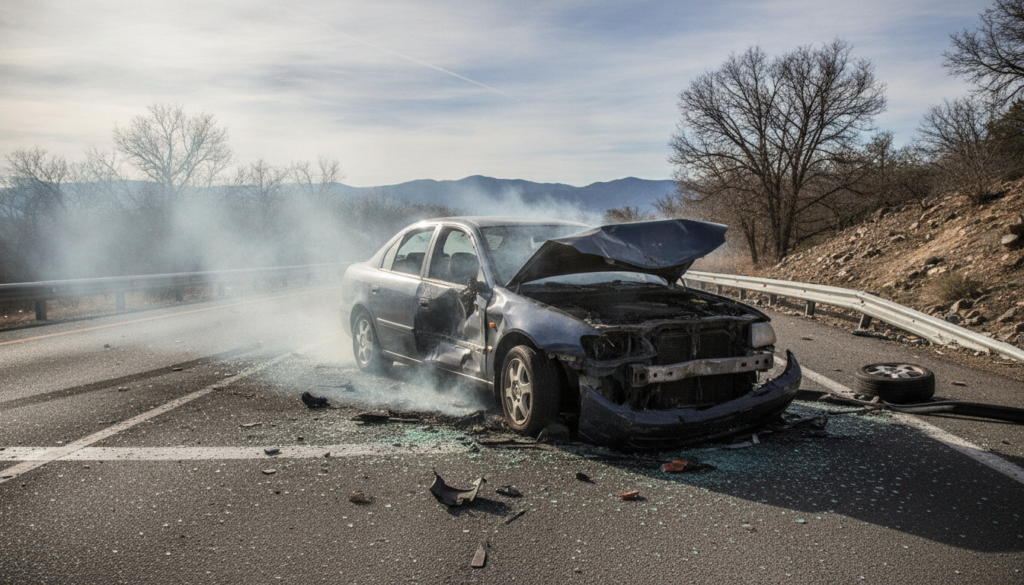
In any car accident claim, the outcome rarely hinges on a single dramatic courtroom moment. Instead, success is built brick by brick, long before a trial is ever considered. The mortar holding it all together is evidence. The quality, timeliness, and preservation of evidence form the bedrock of a strong case, distinguishing a successful claim from a frustrating denial. An experienced Law Firm understands that the work of proving fault and damages begins the moment a collision occurs. The crucial role evidence plays in a car accident case determines the entire trajectory of a client’s pursuit of justice.
The Foundation: Evidence Gathered at the Scene
The minutes and hours immediately following a car accident are chaotic and stressful. However, this is also the most critical window for gathering raw, unaltered evidence. What is collected here provides an objective snapshot of the event, free from later interpretations or fading memories. Amber Hall Law consistently emphasizes that the evidence gathered on-site lays the groundwork for all subsequent legal strategy.
Beyond the Official Police Report
Many people assume the police report is the final word on an accident. While incredibly important, it’s only a starting point. An officer arrives after the fact and creates a report based on their observations and initial statements. The report may contain errors, omissions, or conclusions based on incomplete information. A successful car accident litigation strategy involves using the police report as a guide but verifying and supplementing its findings with independent evidence. The report might state which driver was cited, but it won’t detail the full extent of a vehicle’s damage or the victim’s immediate physical state.
The Narrative Power of Photos and Videos
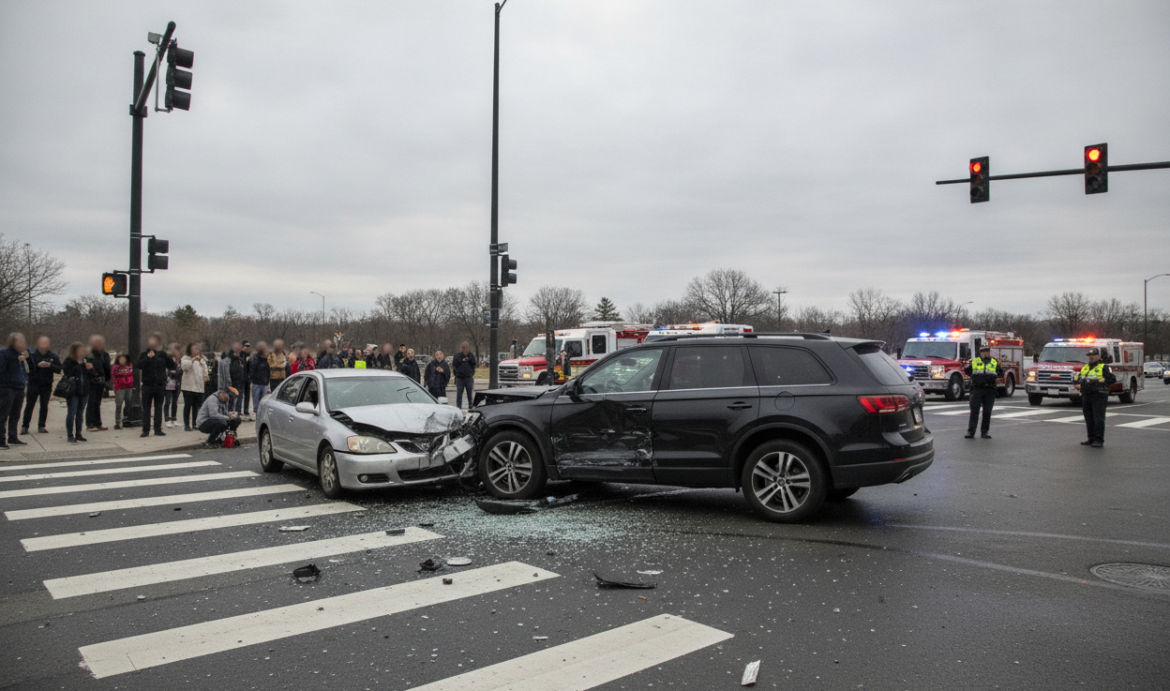
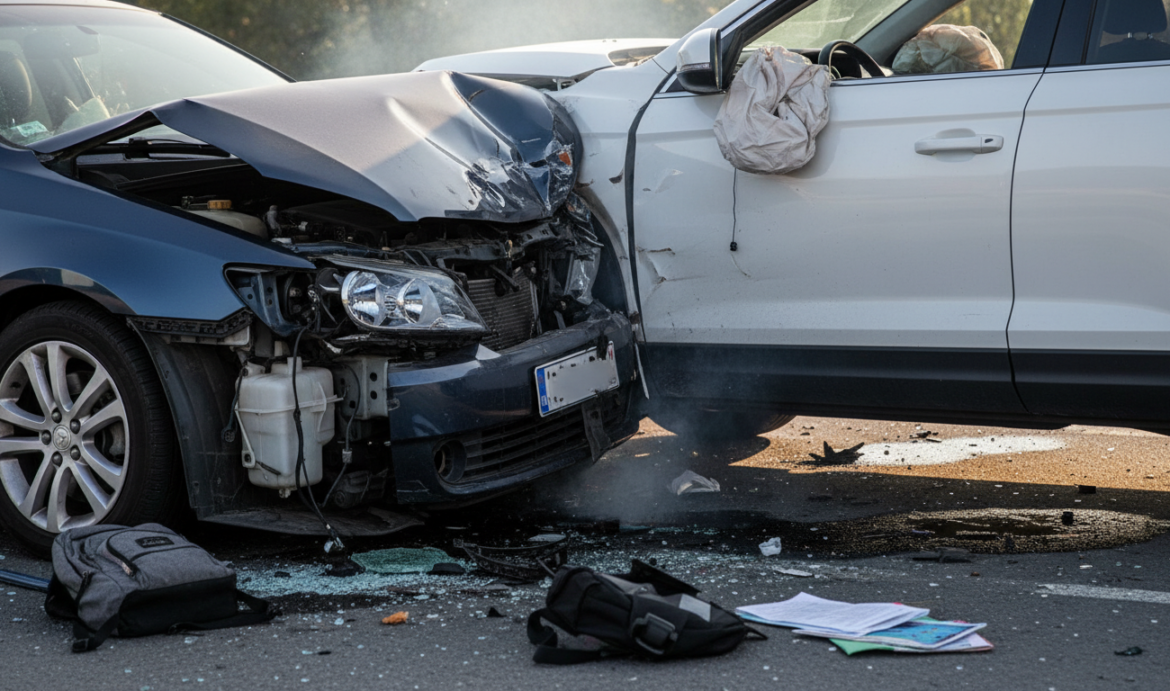
A picture truly is worth a thousand words, especially in personal injury cases. Photographic and video evidence is compelling because it’s difficult to dispute. Capturing the scene from multiple angles can establish liability and document the severity of the impact. Key subjects to photograph include:
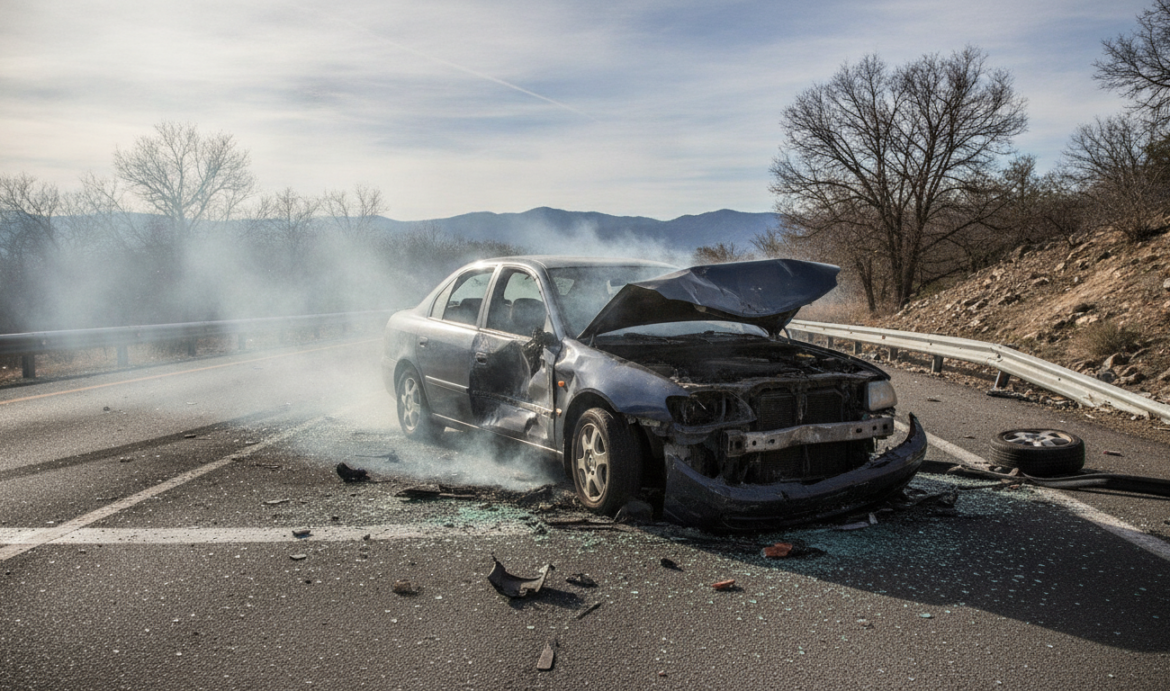
- Vehicle Damage: Take pictures of all vehicles involved, from wide angles showing their final resting positions to close-ups of the specific points of impact.
- The Surrounding Area: Document skid marks, debris on the road, traffic signals, road signs, and any weather or road conditions that may have been a factor.
- Visible Injuries: If there are cuts, bruises, or other visible injuries, documenting them immediately is vital, as they can heal or change in appearance over time.
This visual record helps an attorney, insurance adjuster, or jury understand exactly how the accident unfolded.
Securing Witness Statements
Independent witnesses provide an unbiased perspective. Their testimony can corroborate a victim’s account and counter any attempts by the at-fault driver to change their story later. It is vital to get the names and contact information of anyone who saw the accident. A brief, recorded statement on a smartphone can be invaluable. Memories fade quickly, so securing these accounts as soon as possible is a priority for a dedicated Law Firm.
Documenting the Human Cost: Medical Evidence
After liability is established, the focus of car accident litigation shifts to proving damages. The most significant component of this is often the physical and emotional harm suffered by the victim. Medical evidence is the primary tool for demonstrating the extent of a personal injury and linking it directly to the negligence of the other driver.
Connecting the Collision to the Injury
Insurance companies will often look for any reason to argue that an injury was pre-existing or unrelated to the collision. The strongest counter to this is a clear and unbroken chain of medical documentation. Seeking a medical evaluation immediately after an accident, even if injuries seem minor, is essential. This creates a record that establishes a direct timeline between the event and the diagnosis. Gaps in treatment or delays in seeking care can be used by defense attorneys to weaken a claim. As Attorney Amber Hall explains, consistent medical follow-through is as important as the initial diagnosis.
The Full Spectrum of Harm
A thorough personal injury claim accounts for more than just the initial emergency room bill. It must document the entire scope of the victim’s suffering and recovery. This includes records from:
- Primary care physicians
- Specialists (e.g., orthopedists, neurologists)
- Physical therapists and chiropractors
- Mental health professionals treating trauma or PTSD
- Prescription medication logs
This body of evidence demonstrates the long-term physical, financial, and emotional costs of the accident, which is fundamental to securing fair compensation.
Uncovering Hidden Truths: Technical and Digital Evidence
Modern vehicles and technology offer powerful sources of evidence that can definitively prove what happened in the seconds before a crash. Accessing and interpreting this data requires technical knowledge and swift legal action. Amber Hall Law leverages these modern tools to build a more complete and fact-based picture of events.
The Vehicle’s “Black Box”
Most modern cars are equipped with an Event Data Recorder (EDR), similar to an airplane’s black box. This device records critical data in the moments leading up to and during a collision, such as vehicle speed, brake application, steering angle, and seatbelt usage. This data is impartial and can instantly disprove a driver’s false claim that they were “going the speed limit” or “tried to brake.” Accessing this data requires specialized equipment and must be done before the vehicle is repaired or destroyed.
Insider Tip: The data on an Event Data Recorder (EDR) can be overwritten or lost if not preserved quickly. An experienced attorney will immediately issue a spoliation letter to the at-fault party’s insurance company, legally demanding they preserve the vehicle in its post-accident state until the EDR data can be downloaded. This single step can prevent crucial evidence from being destroyed.
Digital Footprints and Surveillance
Beyond the vehicles themselves, a wealth of digital evidence often exists. This can include dashcam footage from one of the involved cars or a nearby vehicle, traffic camera recordings, or security footage from adjacent businesses. Cell phone records can also be subpoenaed to determine if a driver was texting or talking on the phone at the moment of impact, providing clear evidence of distracted driving.
The Attorney’s Role in Evidence Preservation
Gathering evidence is one part of the equation; preserving it and presenting it effectively is another. An experienced attorney plays a pivotal role in ensuring that all relevant information is secured, protected from being tampered with or destroyed, and properly analyzed. This proactive management is a hallmark of a proficient legal practice.
Interpreting the Facts with Experts
Raw evidence often needs an expert to explain its significance. An attorney coordinates with specialists to translate complex information into clear, persuasive arguments. Accident reconstructionists can use physical and EDR data to create a scientific model of the crash. Medical experts can review records to provide testimony on the long-term prognosis and future medical needs of a client. As explained in our article on the role of expert witnesses, their analysis adds a layer of authority that is difficult for insurance companies to refute.
Building the Case for Negotiation or Trial
A well-documented case with overwhelming evidence is more likely to result in a fair settlement without the need for a trial. Insurance companies are businesses, and they assess risk. When confronted with a carefully prepared claim supported by indisputable facts, they are far more inclined to negotiate in good faith. The entire process of evidence collection is designed to build use and demonstrate that a legal team is prepared to prove its case in court if necessary. As explained in our article on Settlement vs. Trial, understanding these dynamics is crucial.
Connect with Amber Hall Law on social media: Facebook | Instagram | LinkedIn